
Introduction
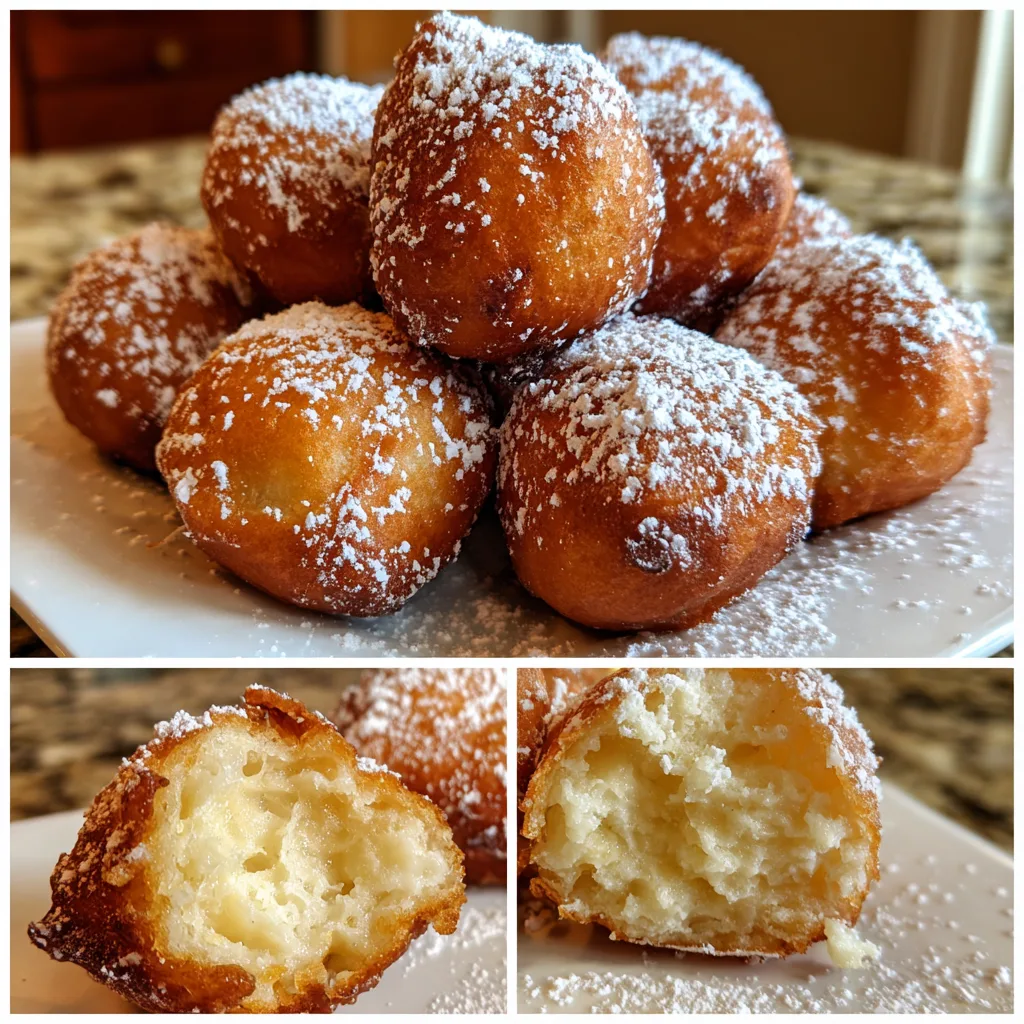
Few pastries feel as indulgent yet comforting as vanilla French beignets. These pillowy squares of fried dough, generously dusted with powdered sugar, instantly bring a sense of warmth and nostalgia to the table. I first made these on a quiet weekend morning, hoping to recreate that classic café experience at home, and they exceeded every expectation. The aroma of vanilla-infused dough frying gently in oil filled the kitchen, and the result was a batch of beignets that were crisp on the outside, airy on the inside, and delicately sweet.
This recipe focuses on balance. The vanilla is present but not overpowering, enhancing the dough rather than masking its yeasty richness. The texture is light without being greasy, and the interior stays soft even after cooling slightly. These beignets are perfect for breakfast, brunch, or an elegant dessert paired with coffee or hot chocolate. While they may seem impressive, the process is straightforward and rewarding. With a little patience and attention to detail, you can enjoy authentic-tasting vanilla French beignets without leaving your kitchen.
Why You’ll Love This Recipe
This recipe delivers bakery-quality beignets with simple ingredients and clear steps. The vanilla flavor adds depth without making the pastry overly sweet, making these beignets suitable for many occasions. They are versatile, customizable, and best enjoyed fresh, making them ideal for sharing with family or guests.
Ingredients
(Tip: You can find the complete list of ingredients and their measurements in the recipe card below.)
All-purpose flour
This forms the structure of the beignets. Using standard all-purpose flour provides the right balance between softness and strength, ensuring the dough puffs beautifully when fried.
Active dry yeast
Yeast is essential for creating the airy interior. It gives the beignets their signature lightness and subtle fermented flavor.
Granulated sugar
Sugar lightly sweetens the dough and also feeds the yeast, helping it activate properly.
Whole milk
Milk adds richness and tenderness. I tested this recipe with warm whole milk, which produced a softer crumb and better flavor.
Unsalted butter
Butter enriches the dough and enhances the vanilla notes. Using unsalted butter allows better control over the final taste.
Vanilla extract
Vanilla is the star flavor here. A good-quality extract gives the beignets a warm, aromatic profile.
Egg
The egg adds structure and richness, contributing to the soft yet stable texture of the dough.
Salt
Salt balances sweetness and enhances the overall flavor without making the dough taste savory.
Vegetable oil
A neutral oil is ideal for frying, allowing the vanilla aroma to shine through.
Powdered sugar
This is used for finishing. A generous dusting is traditional and essential.
Directions
Begin by activating the yeast. Warm the milk gently until it is just warm to the touch, then mix it with the granulated sugar and yeast. Let this sit until foamy, indicating the yeast is active.
In a large bowl, combine the flour and salt. Add the yeast mixture, beaten egg, melted butter, and vanilla extract. Mix until a soft dough forms. Knead the dough until smooth and elastic, either by hand or with a mixer fitted with a dough hook.
Place the dough in a lightly greased bowl, cover, and let it rise until doubled in size. This usually takes about one to one and a half hours.
Once risen, roll the dough out on a floured surface to an even thickness. Cut into small squares or rectangles. Heat the oil to the correct temperature, then fry the dough pieces in batches until puffed and golden on both sides. Drain briefly and dust generously with powdered sugar before serving.
Equipment Needed
Here’s what you’ll want to have on hand:
Silicone Spatula – Durable, heat-resistant silicone spatula perfect for mixing, scraping, and spreading. Gentle on non-stick cookware and easy to clean.
Large pot – You’ll need this to boil the whole cabbage head and soften the leaves.
large bowl –Spacious, durable large bowl ideal for mixing, serving, or food preparation. Made from sturdy material and easy to clean.
Sharp knife – For coring the cabbage and slicing out the thick stem in each leaf. A paring knife works best.
Mixing bowl – A big bowl makes it easier to combine your meat and rice filling evenly.
Cutting board – For prepping cabbage leaves and rolling them like a pro.
Full-Size Blender – is a powerful kitchen appliance for making smoothies, soups, and sauces in large batches.
3-in-1 Air Fryer – This versatile 3-in-1 air fryer offers Air Fry for healthier meals with less oil, Bake for bakery-quality desserts and treats, and Reheat to bring leftovers back to life with crispy, flavorful results
Servings and Timing
This recipe yields approximately 20 beignets. Preparation takes about 25 minutes, rising time about 90 minutes, and frying about 15 minutes. Total time is roughly 2 hours and 10 minutes.
Storage and Reheating
Beignets are best enjoyed fresh. If needed, store leftovers in an airtight container at room temperature for up to one day. Reheat briefly in a warm oven to restore softness, then dust again with powdered sugar.
Variations and Customizations
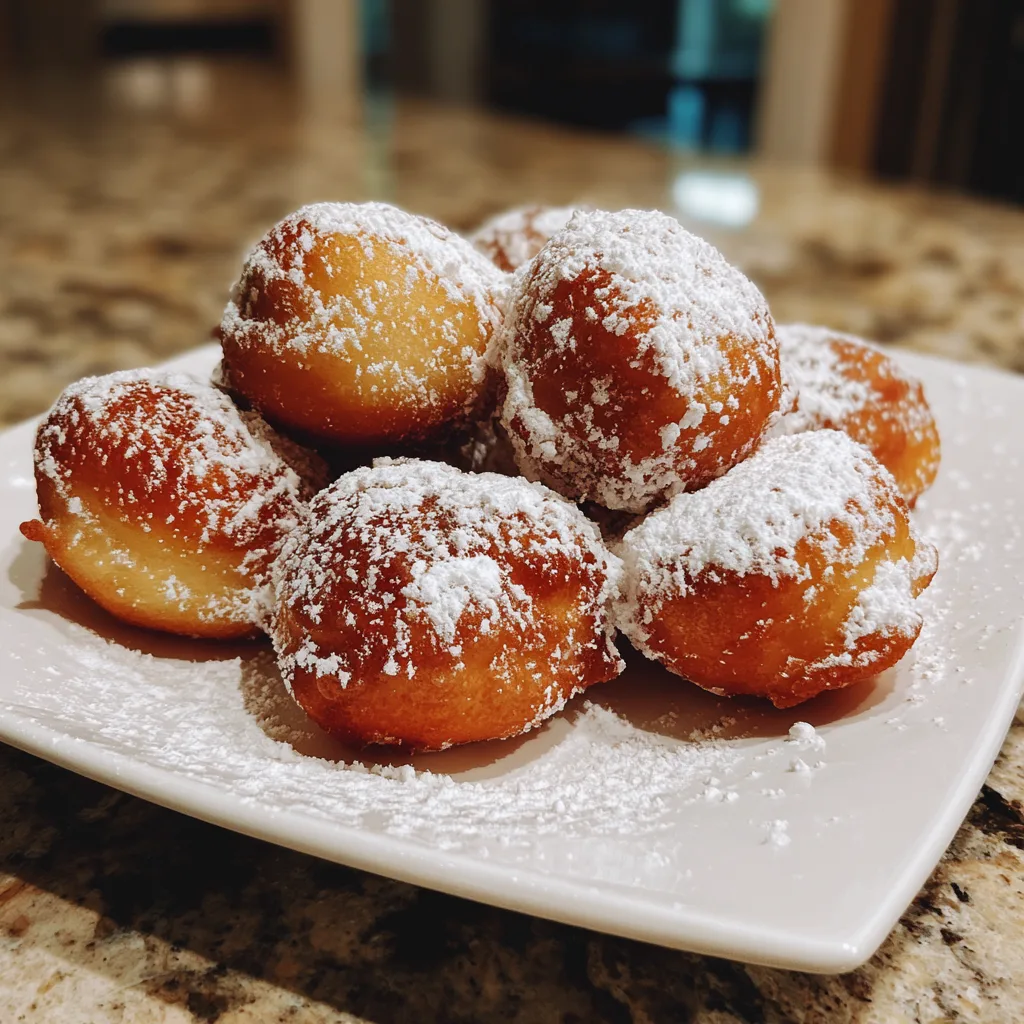
You can easily adapt this recipe to suit different tastes. For a citrus twist, add finely grated lemon or orange zest to the dough. Chocolate lovers can serve the beignets with a warm chocolate dipping sauce. A touch of cinnamon or nutmeg in the dough adds warmth and complexity. For a dairy-free version, plant-based milk and butter substitutes work well, though the flavor will be slightly different. You can also experiment with fillings such as vanilla pastry cream or fruit preserves by injecting them after frying.
Nutrition and Dietary Info
These vanilla French beignets are an indulgent treat. They contain carbohydrates from the flour, fats from frying, and moderate sugar content. They are vegetarian-friendly and can be adapted for dairy-free diets with suitable substitutions.
Expert Tips & Customizations
Perfect oil temperature
Maintaining the correct oil temperature ensures the beignets cook evenly without absorbing excess oil.
Do not overcrowd the pot
Frying in small batches keeps the oil temperature stable and improves texture.
Use quality vanilla
A good vanilla extract significantly enhances the final flavor.
FAQs
What makes beignets different from doughnuts?
Beignets are lighter and less sweet, with a softer interior.
Can I prepare the dough in advance?
Yes, the dough can be refrigerated overnight after the first rise.
Why didn’t my beignets puff up?
This usually indicates inactive yeast or oil that is not hot enough.
Can I bake beignets instead of frying?
Baking is possible, but the texture will be different.
Is it necessary to use a thermometer?
While not mandatory, it greatly improves consistency.
Can I freeze beignets?
They can be frozen after frying, but freshness is best.
What oil is best for frying?
Neutral oils such as vegetable or canola oil work well.
How thick should the dough be rolled?
An even medium thickness ensures proper puffing.
Can I reduce the sugar?
You can slightly reduce it, but balance is important.
Are beignets served hot or warm?
They are best served warm, freshly dusted with sugar.
Conclusion
Vanilla French beignets are a timeless treat that bring bakery charm into your home. With their delicate flavor, airy texture, and elegant simplicity, they are perfect for both special occasions and relaxed mornings. This recipe offers reliable results and plenty of room for customization, making it one you will return to again and again.
Hungry for more? Visit our website for full recipes and follow us on Pinterest for daily foodie inspo you’ll love to pin!