
Introduction
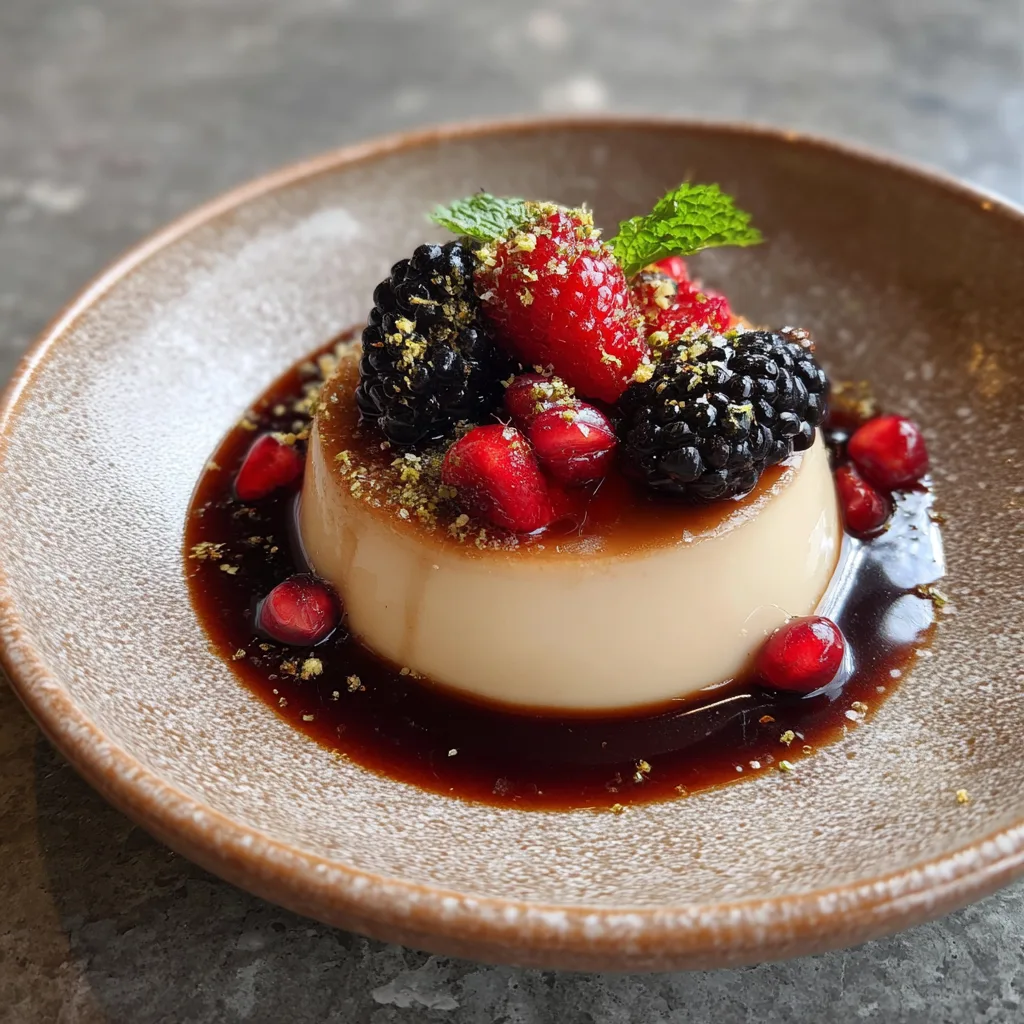
Panna cotta is a classic dessert known for its smooth, delicate texture and understated elegance. Made with cream and gently set with gelatin, it delivers a luxurious mouthfeel while remaining surprisingly simple to prepare. This recipe focuses on balance, allowing the creamy base to shine without being overly sweet.
Why You’ll Love This Recipe
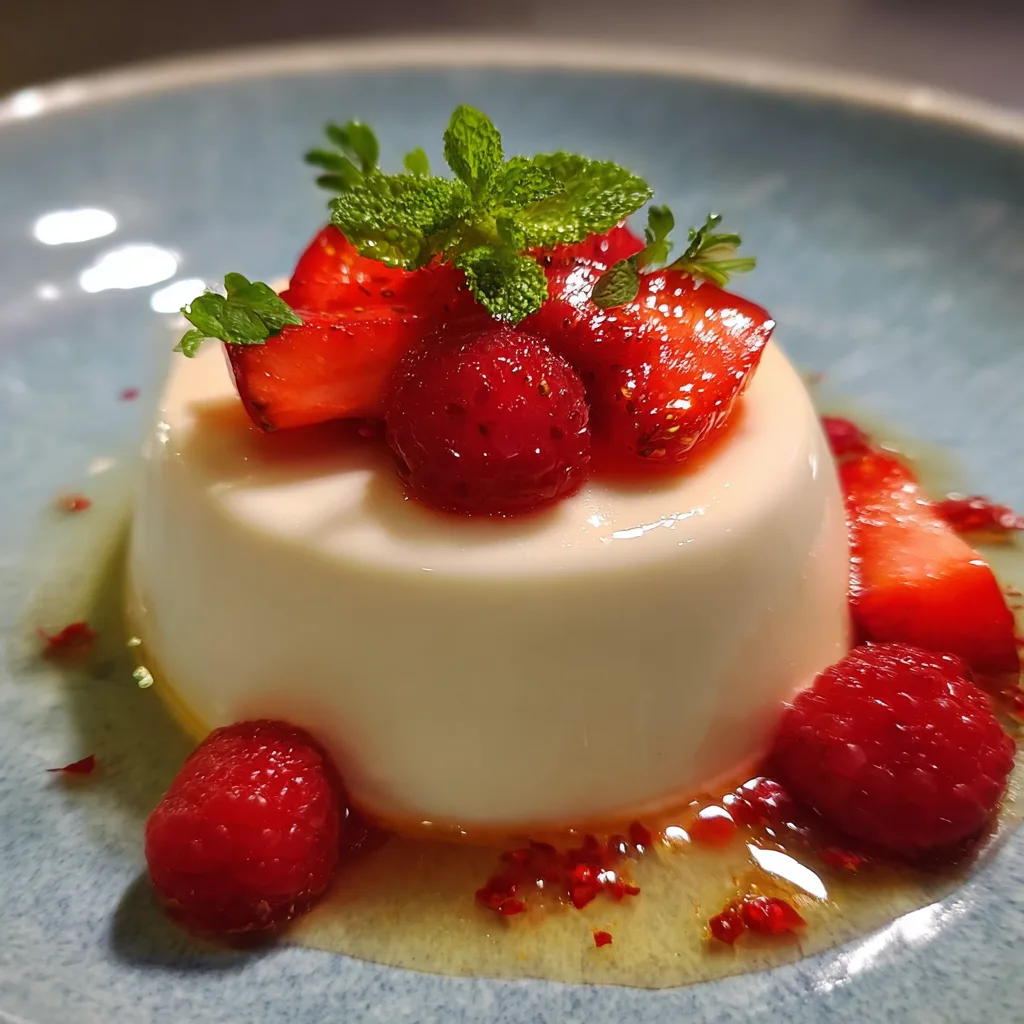
This panna cotta recipe is refined yet approachable, making it suitable for both casual dinners and special occasions. It requires minimal ingredients, no baking, and can be prepared ahead of time. The texture is softly set, creamy, and melts effortlessly on the palate. I particularly enjoy how versatile it is, as it pairs beautifully with fresh fruit, sauces, or simple garnishes while remaining delicious on its own.
Ingredients
(Tip: You can find the complete list of ingredients and their measurements in the recipe card below.)
Heavy cream forms the base of panna cotta and provides its signature richness and silky texture. Full-fat cream is essential for proper setting and flavor.
Granulated sugar sweetens the cream gently without overpowering it. The goal is subtle sweetness rather than a dessert that tastes sugary.
Unflavored gelatin is the setting agent that allows the panna cotta to hold its shape while remaining soft and delicate.
Cold water is used to bloom the gelatin, ensuring it dissolves smoothly into the warm cream.
Vanilla extract adds warmth and aroma, enhancing the natural creaminess of the dessert.
Salt is added in a very small amount to balance the sweetness and deepen the overall flavor.
Directions
Begin by sprinkling the gelatin over cold water in a small bowl and allowing it to bloom for about five minutes. In a saucepan, combine the heavy cream, sugar, and salt. Heat gently over medium-low heat, stirring until the sugar dissolves. Do not allow the mixture to boil.
Remove the cream from the heat and stir in the bloomed gelatin until fully dissolved. Add the vanilla extract and mix well. Pour the mixture into serving glasses or molds. Allow it to cool slightly at room temperature, then refrigerate for at least four hours or until fully set.
If unmolding, briefly dip the molds in warm water before inverting onto plates.
Equipment needed
Must-Have Tools to Get Rolling
Here’s what you’ll want to have on hand:
Silicone Spatula – Durable, heat-resistant silicone spatula perfect for mixing, scraping, and spreading. Gentle on non-stick cookware and easy to clean.
Large pot – You’ll need this to boil the whole cabbage head and soften the leaves.
large bowl –Spacious, durable large bowl ideal for mixing, serving, or food preparation. Made from sturdy material and easy to clean.
Sharp knife – For coring the cabbage and slicing out the thick stem in each leaf. A paring knife works best.
Mixing bowl – A big bowl makes it easier to combine your meat and rice filling evenly.
Cutting board – For prepping cabbage leaves and rolling them like a pro.
Full-Size Blender – is a powerful kitchen appliance for making smoothies, soups, and sauces in large batches.
3-in-1 Air Fryer – This versatile 3-in-1 air fryer offers Air Fry for healthier meals with less oil, Bake for bakery-quality desserts and treats, and Reheat to bring leftovers back to life with crispy, flavorful results
Servings and timing
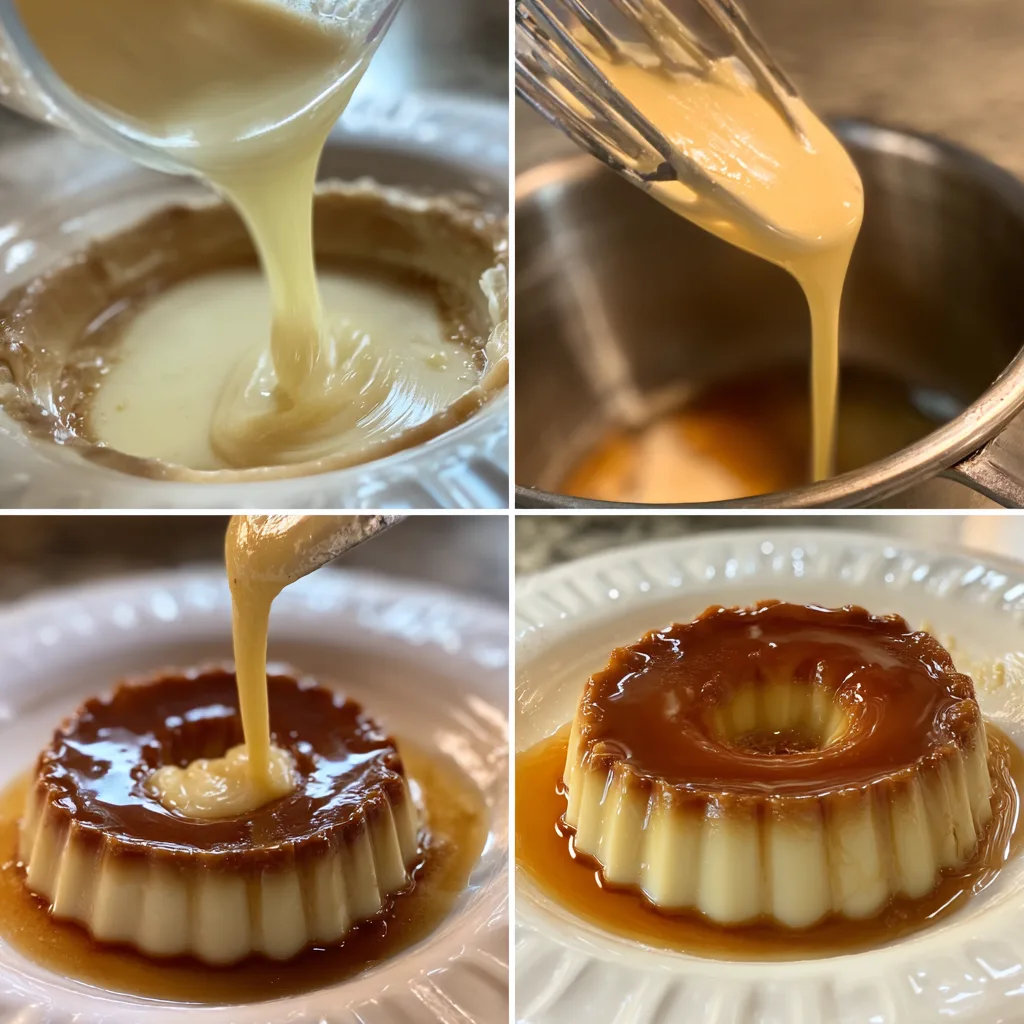
This recipe makes approximately 4 servings. Preparation time is about 10 minutes, with chilling time of at least 4 hours.
Storage/reheating
Store panna cotta covered in the refrigerator for up to three days. This dessert should be served chilled and does not require reheating.
Variations and Customizations
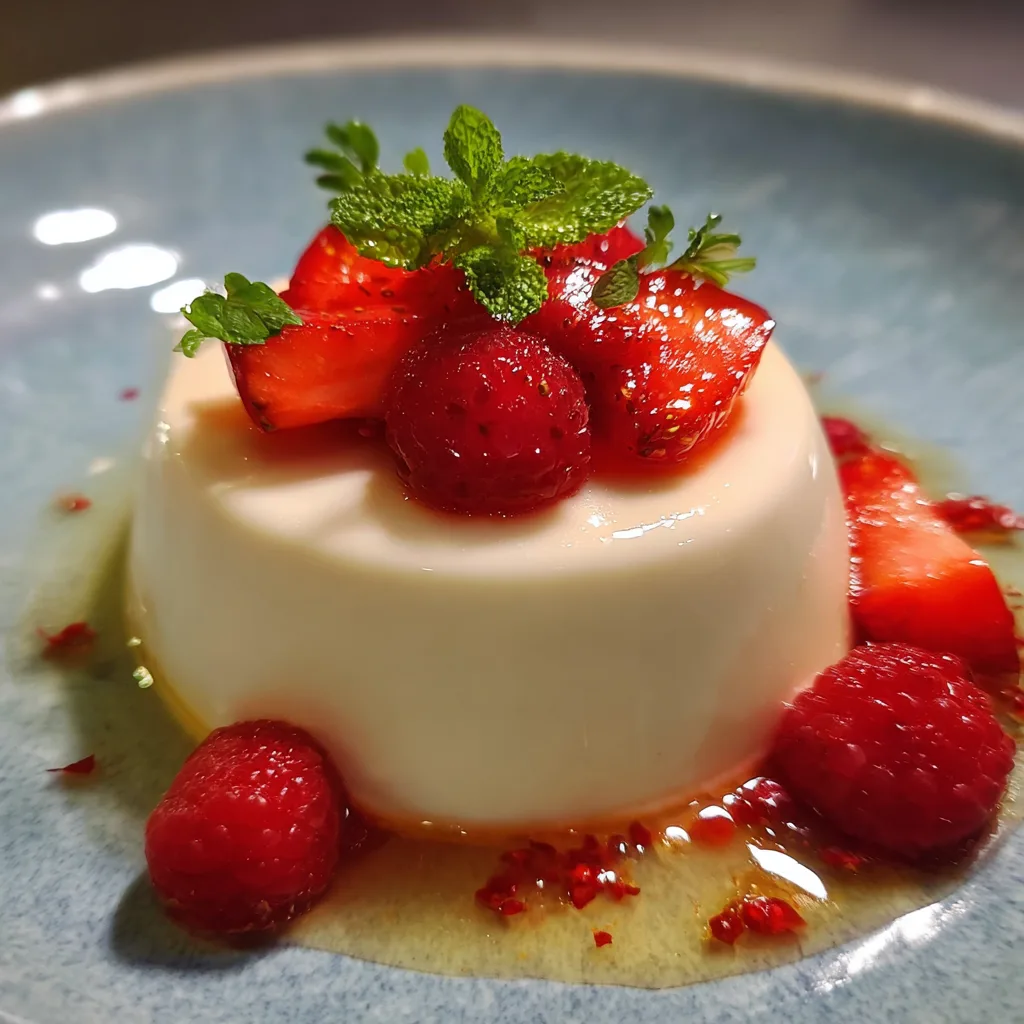
Panna cotta is highly adaptable and can be flavored in many ways. You can infuse the cream with citrus zest, coffee, or spices such as cinnamon or cardamom. I have also tested this recipe using coconut cream, which results in a dairy-free version with a subtle tropical flavor.
For serving, panna cotta pairs beautifully with fresh berries, fruit coulis, caramel sauce, or chocolate shavings. You can also layer it with fruit compote for a more visually striking presentation. Adjusting the sweetness slightly allows you to match the dessert to its toppings.
Nutrition and Dietary Info
| Nutrient | Amount per Serving |
|---|---|
| Calories | 360 kcal |
| Protein | 4 g |
| Carbs | 22 g |
| Fat | 30 g |
| Saturated Fat | 18 g |
| Fiber | 0 g |
| Sugar | 20 g |
| Sodium | 55 mg |
Expert Tips & Customizations
Heat cream gently to avoid scorching.
Do not boil after adding gelatin.
Use high-quality vanilla for best flavor.
Allow full chilling time for proper set.
Serve with contrasting textures for balance.
FAQs
What does panna cotta mean?
It translates to “cooked cream” in Italian.
Is panna cotta baked?
No, it is gently heated on the stovetop and chilled.
Can I make it ahead of time?
Yes, it is ideal for preparing in advance.
Why didn’t my panna cotta set?
The gelatin may not have been fully dissolved or measured correctly.
Can I make it dairy-free?
Yes, coconut cream works well.
How firm should panna cotta be?
It should be softly set and gently wobble.
Can I unmold it easily?
Yes, dipping the mold briefly in warm water helps.
Is panna cotta gluten-free?
Yes, it is naturally gluten-free.
Can I reduce the sugar?
Yes, adjust slightly to taste.
What toppings work best?
Fresh fruit, berry sauce, caramel, or chocolate.
Conclusion
Panna cotta is a timeless dessert that proves simplicity can be truly elegant. With its smooth texture, gentle sweetness, and endless customization options, it is a dependable choice for any occasion. This recipe offers consistent results and a refined finish, making it a valuable addition to any dessert repertoire.
Hungry for more? Visit our website for full recipes and follow us on Pinterest for daily foodie inspo you’ll love to pin!