
Introduction
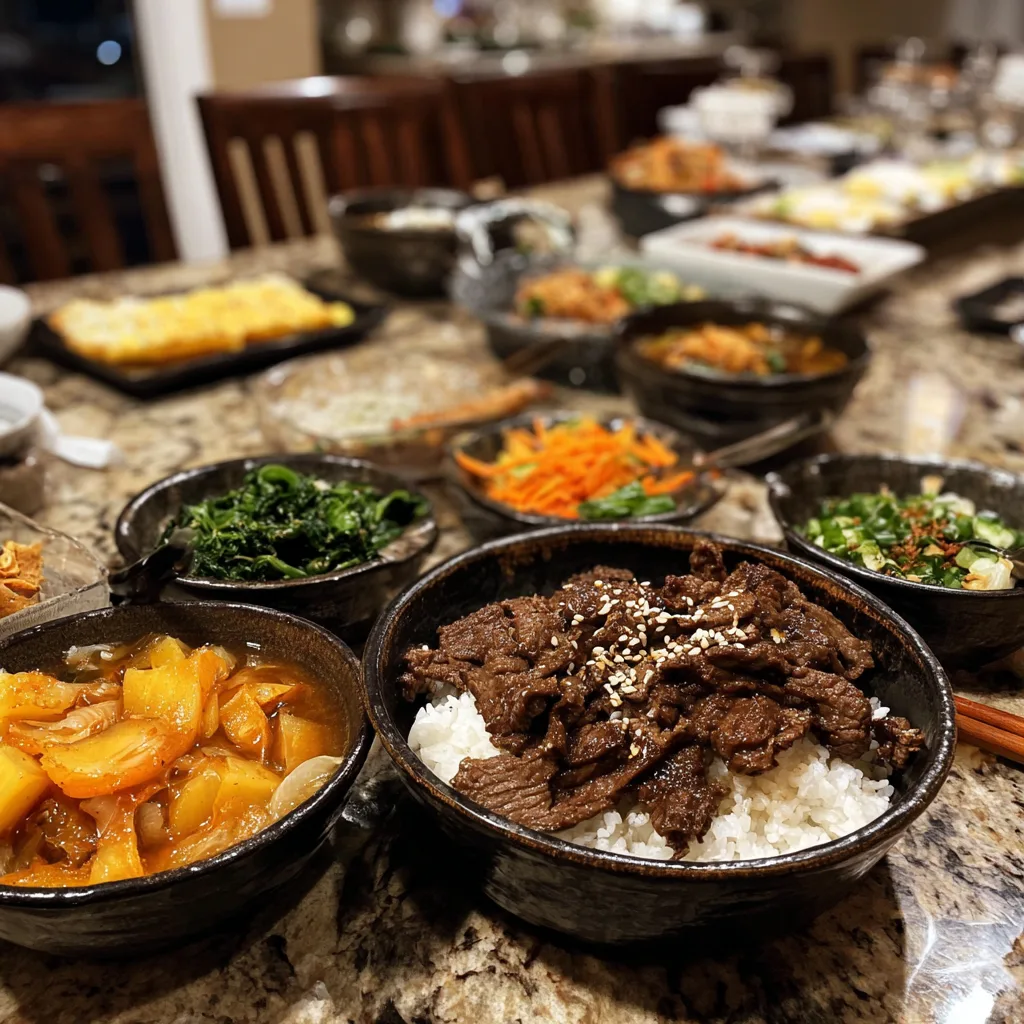
Korean Beef Bulgogi Bowls are a flavorful and satisfying meal that brings the bold taste of Korean cuisine into a simple, easy-to-serve dish. Bulgogi, which translates to “fire meat,” is traditionally made with thinly sliced beef marinated in a sweet and savory sauce before being grilled or stir-fried. When served over a warm bowl of rice with fresh vegetables, it creates a balanced meal full of vibrant textures and flavors.
The first time I made bulgogi bowls at home, I was surprised by how quickly the marinade transformed the beef. The combination of soy sauce, garlic, sesame oil, and a touch of sweetness created a deeply savory flavor that coated every bite. I once added a soft fried egg on top, and it made the bowl even richer and more satisfying.
What makes these bowls especially appealing is their versatility. You can easily adjust the vegetables, spice level, or toppings to suit your taste while still enjoying the signature flavors of Korean bulgogi.
Print
Korean Beef Bulgogi Bowls – Sweet, Savory, and Packed with Flavor
- Total Time: 45 minutes
- Yield: 4 servings
- Diet: Halal
Description
Flavorful Korean beef bulgogi bowls made with thinly sliced marinated beef cooked until tender and caramelized, served over steamed rice with fresh vegetables and sesame for a balanced and satisfying meal.
Ingredients
- 1 lb beef sirloin or ribeye, thinly sliced
- 3 cups cooked white rice
- 1/4 cup soy sauce
- 2 tbsp brown sugar
- 1 tbsp honey
- 3 cloves garlic, minced
- 1 tbsp fresh ginger, grated
- 2 tbsp sesame oil
- 1 tbsp rice vinegar
- 1 small onion, thinly sliced
- 1 carrot, julienned
- 1 cup cucumber, sliced
- 2 green onions, chopped
- 1 tbsp sesame seeds
- 1 tbsp vegetable oil
Instructions
- In a bowl whisk together soy sauce, brown sugar, honey, garlic, ginger, sesame oil, and rice vinegar.
- Add the sliced beef and onion to the marinade and mix well. Let marinate for at least 30 minutes.
- Heat vegetable oil in a large skillet over medium-high heat.
- Add the marinated beef and cook for 4–5 minutes until browned and cooked through.
- Prepare serving bowls by dividing the cooked rice evenly.
- Top the rice with cooked bulgogi beef.
- Add carrot, cucumber, and green onions around the bowl.
- Sprinkle sesame seeds over the top and drizzle with extra sesame oil if desired.
- Serve immediately while warm.
Notes
- Freezing the beef for 20 minutes makes it easier to slice thinly.
- You can substitute chicken or tofu for a different protein option.
- Add kimchi or a fried egg for a more authentic Korean-style bowl.
- For extra heat, add gochujang or chili flakes to the marinade.
- Brown rice can be used instead of white rice for a healthier option.
- Prep Time: 15 minutes
- Cook Time: 10 minutes
- Category: Main Course
- Method: Stir-Fry
- Cuisine: Korean
Why You’ll Love This Recipe
These bulgogi bowls are packed with bold flavor while still being simple to prepare. The marinated beef cooks quickly and pairs beautifully with rice and fresh vegetables. The dish is balanced, customizable, and perfect for both weeknight dinners and meal preparation.
Ingredients
(Tip: You can find the complete list of ingredients and their measurements in the recipe card below.)
Beef (Ribeye or Sirloin)
Thinly sliced beef is the star of this dish. Ribeye or sirloin works especially well because the marbling keeps the meat tender and flavorful when cooked quickly over high heat.
Soy Sauce
Soy sauce forms the base of the bulgogi marinade, providing a deep umami flavor and saltiness that enhances the beef.
Brown Sugar
Brown sugar adds sweetness to the marinade and helps create the signature caramelized flavor when the beef cooks.
Garlic
Garlic contributes a rich savory aroma that is essential to traditional bulgogi flavor.
Sesame Oil
Sesame oil adds a nutty fragrance and depth that is characteristic of many Korean dishes.
Green Onions
Green onions provide freshness and mild onion flavor that balances the richness of the beef.
Ginger
Fresh ginger introduces warmth and subtle spice that complements the sweet and savory marinade.
Cooked White Rice
Rice forms the base of the bowl and absorbs the flavorful juices from the beef and sauce.
Carrots
Thinly sliced or shredded carrots add a slight crunch and natural sweetness to the bowl.
Cucumber
Cucumber brings freshness and a light crisp texture that balances the rich beef.
Sesame Seeds
Sesame seeds add a nutty flavor and a delicate crunch as a finishing garnish.
Egg (Optional)
A fried or soft-cooked egg can be added on top for extra richness and protein.
Directions
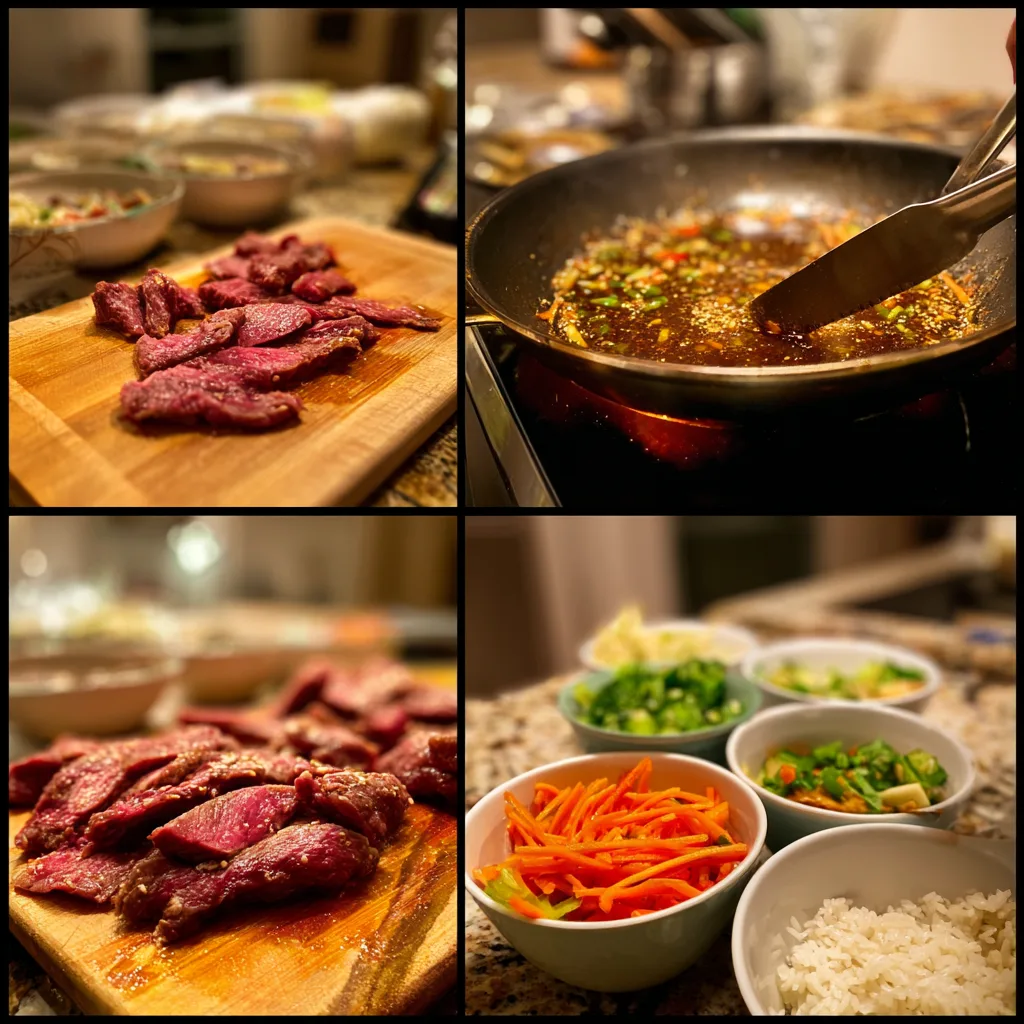
Begin by preparing the bulgogi marinade. In a bowl, combine soy sauce, brown sugar, minced garlic, grated ginger, sesame oil, and chopped green onions. Mix well until the sugar dissolves.
Add the thinly sliced beef to the marinade and toss until the meat is evenly coated. Allow the beef to marinate for at least 20 minutes to absorb the flavors.
Heat a large skillet or pan over medium-high heat. Add the marinated beef and cook quickly, stirring occasionally. The thin slices of beef will cook in just a few minutes and develop a lightly caramelized surface.
While the beef cooks, prepare the rice and vegetables. Cook the rice according to package instructions and slice the carrots and cucumbers into thin strips.
To assemble the bowls, place a generous portion of warm rice into each serving bowl. Top the rice with the cooked bulgogi beef.
Arrange the sliced carrots and cucumbers around the beef. Sprinkle sesame seeds and additional chopped green onions over the top.
If desired, add a fried egg on top of the bowl for extra flavor and richness.
Serve immediately while the beef is warm and the vegetables remain crisp.
Equipment needed : Must-Have Tools to Get Rolling
Here’s what you’ll want to have on hand:
Silicone Spatula – Durable, heat-resistant silicone spatula perfect for mixing, scraping, and spreading. Gentle on non-stick cookware and easy to clean.
Large pot – You’ll need this to boil the whole cabbage head and soften the leaves.
large bowl –Spacious, durable large bowl ideal for mixing, serving, or food preparation. Made from sturdy material and easy to clean.
Sharp knife – For coring the cabbage and slicing out the thick stem in each leaf. A paring knife works best.
Mixing bowl – A big bowl makes it easier to combine your meat and rice filling evenly.
Cutting board – For prepping cabbage leaves and rolling them like a pro.
Full-Size Blender – is a powerful kitchen appliance for making smoothies, soups, and sauces in large batches.
3-in-1 Air Fryer – This versatile 3-in-1 air fryer offers Air Fry for healthier meals with less oil, Bake for bakery-quality desserts and treats, and Reheat to bring leftovers back to life with crispy, flavorful results
Servings and timing
This recipe serves about 4 people. Preparation time is approximately 20 minutes, cooking time is around 10 minutes, and the total time needed is about 30 minutes.
Storage/reheating
Leftover bulgogi beef can be stored in an airtight container in the refrigerator for up to three days. To reheat, warm the beef in a skillet over medium heat or microwave individual portions for about one to two minutes. Fresh vegetables should be added after reheating for the best texture.
Variations and Customizations
Korean Beef Bulgogi Bowls are incredibly versatile and can easily be adjusted to suit different tastes or dietary preferences. One of the easiest ways to customize this dish is by adding more vegetables. Popular additions include sautéed mushrooms, steamed broccoli, or shredded cabbage, which add both texture and nutritional value.
If you enjoy a little heat, you can mix chili paste or red pepper flakes into the marinade. This creates a spicy bulgogi variation that adds depth and warmth to the dish.
Another great variation is using different proteins. Thinly sliced chicken, pork, or even tofu can replace the beef while still using the same flavorful marinade. These alternatives make the dish accessible for different dietary needs.
For a low-carb version, the rice can be replaced with cauliflower rice or served over shredded lettuce. This keeps the flavors of the dish while reducing carbohydrates.
Adding pickled vegetables is another excellent way to enhance the bowl. Pickled radishes or cucumbers add acidity and brightness that contrast beautifully with the sweet and savory beef.
You can also experiment with sauces. A drizzle of spicy mayonnaise, gochujang sauce, or sesame dressing can add extra flavor and richness to the bowl.
Finally, for a more traditional Korean-style presentation, the bowl can be topped with kimchi. The fermented vegetables bring tangy, spicy flavor that pairs perfectly with bulgogi.
These variations allow you to customize the bowl while still keeping the signature sweet and savory bulgogi flavor as the highlight.
Nutrition and Dietary Info
| Nutrient | Amount per Serving |
|---|---|
| Calories | 420 kcal |
| Protein | 29 g |
| Carbohydrates | 38 g |
| Fat | 17 g |
| Saturated Fat | 5 g |
| Fiber | 3 g |
| Sugar | 9 g |
| Sodium | 820 mg |
Expert Tips & Customizations
Slice beef very thin
Thin slices allow the beef to cook quickly and remain tender.
Marinate the beef properly
Even a short marinade enhances the flavor significantly.
Cook over high heat
High heat helps caramelize the marinade and adds depth to the flavor.
Do not overcrowd the pan
Cooking the beef in batches ensures it browns properly.
Balance the bowl with fresh vegetables
Fresh vegetables add contrast and keep the dish light and balanced.
FAQs
What cut of beef is best for bulgogi?
Ribeye or sirloin are ideal because they remain tender when sliced thin and cooked quickly.
Can I make bulgogi ahead of time?
Yes, the beef can be marinated several hours in advance or even overnight for deeper flavor.
Is bulgogi spicy?
Traditional bulgogi is usually sweet and savory rather than spicy, but chili can be added if desired.
Can I freeze marinated bulgogi beef?
Yes, marinated beef can be frozen for up to two months and thawed before cooking.
What vegetables go well in bulgogi bowls?
Carrots, cucumbers, spinach, mushrooms, and cabbage are popular options.
Can I use ground beef instead of sliced beef?
Yes, ground beef can be cooked with the same marinade for a quick and budget-friendly variation.
Conclusion
Korean Beef Bulgogi Bowls bring together tender marinated beef, fluffy rice, and fresh vegetables in a balanced and flavorful meal. The sweet and savory marinade creates rich depth, while the colorful toppings add freshness and texture. Easy to customize and quick to prepare, these bowls are a delicious way to enjoy the classic flavors of Korean cuisine at home.
Hungry for more? Visit our website for full recipes and follow us on Pinterest for daily foodie inspo you’ll love to pin!