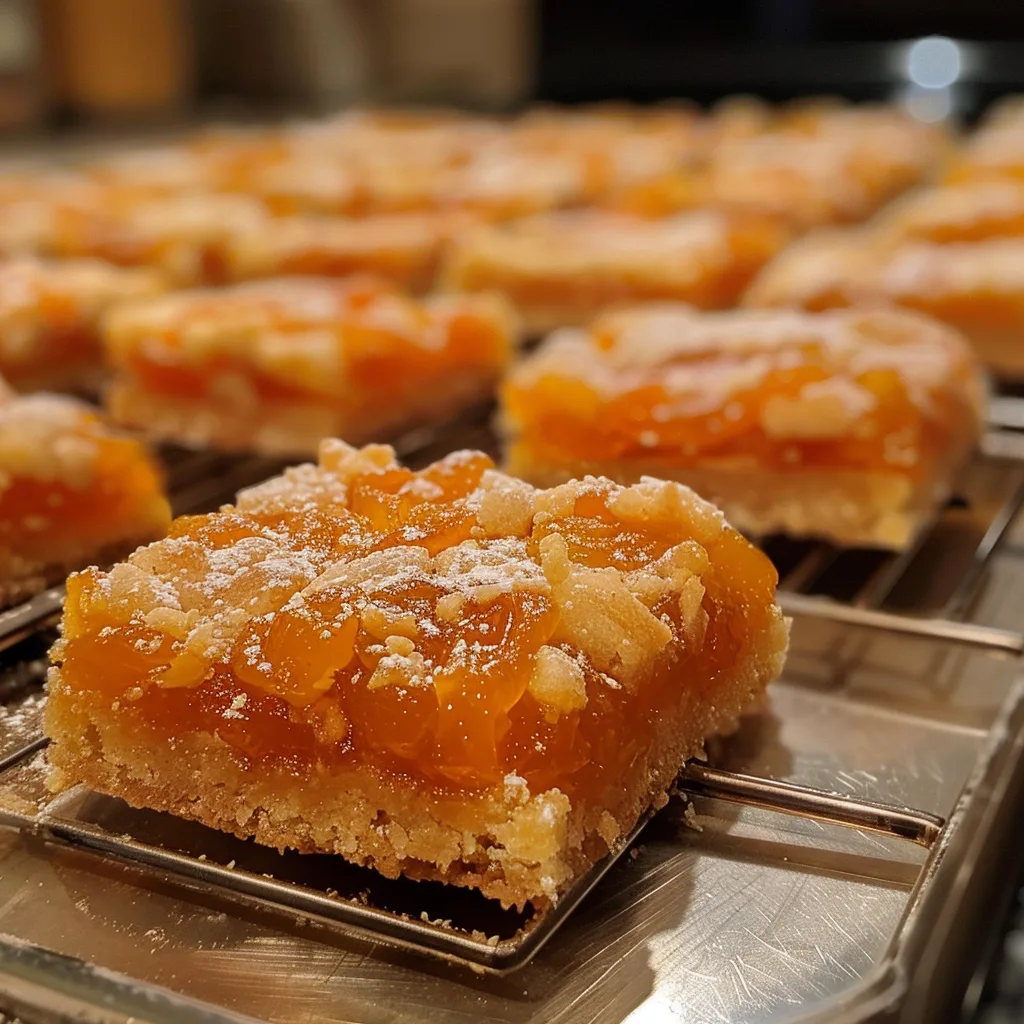
Apricot shortbread bars are one of those timeless desserts that feel both comforting and elegant. The contrast between a tender, buttery shortbread base and a bright, slightly tangy apricot filling makes every bite deeply satisfying. I have always appreciated desserts that rely on simple pantry staples, and this recipe is a perfect example of how a few well-chosen ingredients can come together beautifully. When I first tested these bars, I was struck by how forgiving the dough is and how evenly it bakes, producing clean slices with a delicate crumb. The apricot layer adds just enough sweetness and acidity to balance the richness of the butter. These bars are ideal for afternoon tea, holiday trays, or as a make-ahead dessert for gatherings, since their flavor actually improves after resting. Whether you are an experienced baker or trying shortbread for the first time, this recipe delivers consistent, bakery-style results with minimal effort.
Why You’ll Love This Recipe
These apricot shortbread bars are reliable, versatile, and deeply flavorful. The shortbread base is rich without being heavy, while the apricot filling provides a pleasant contrast that keeps the dessert from feeling overly sweet. The recipe uses straightforward techniques, making it accessible even for beginners. The bars store well, slice neatly, and are suitable for both casual snacking and special occasions.

Apricot Shortbread Bars: A Buttery Classic with a Fruity Heart
- Total Time: 45 mins
- Yield: 12 bars
- Diet: Vegetarian
Description
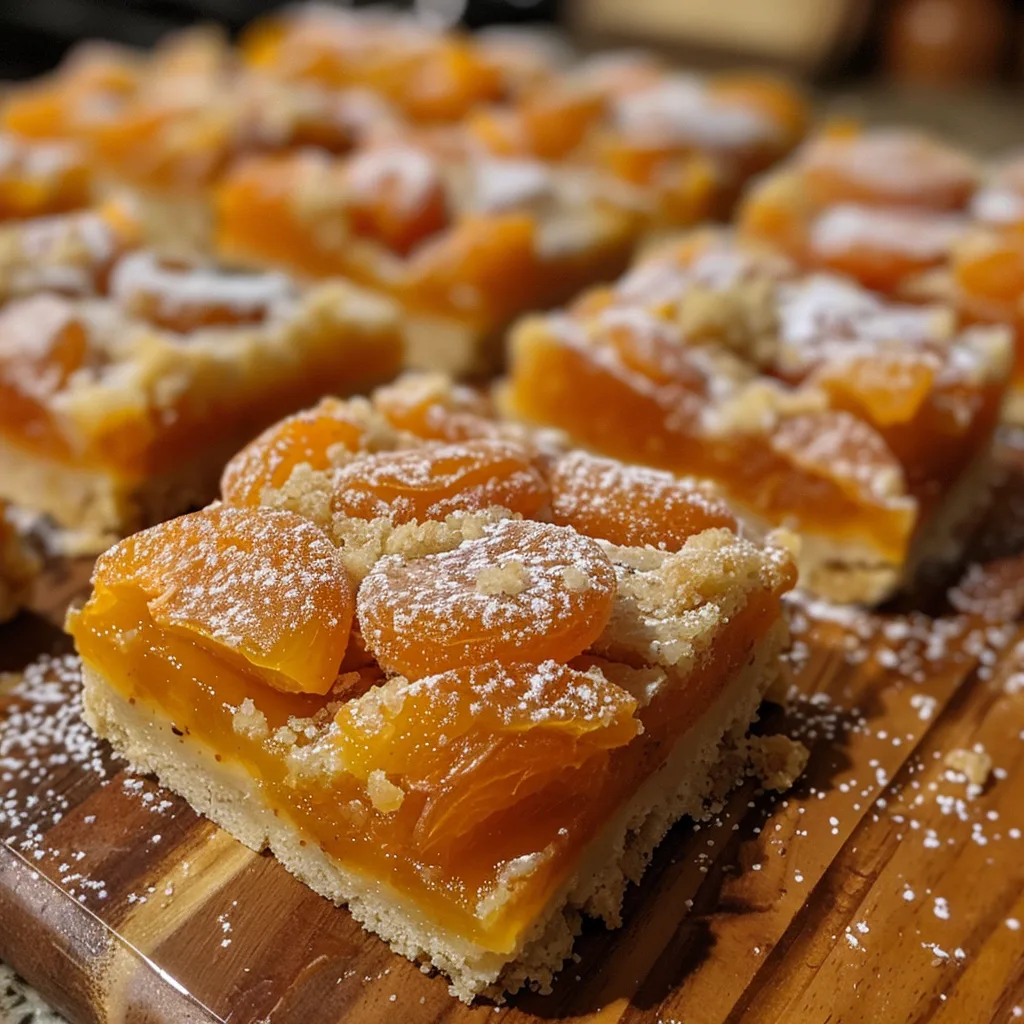
Tender, buttery apricot shortbread bars layered with sweet apricot preserves and topped with a golden crumbly shortbread topping.
Ingredients
- 1 cup unsalted butter, softened
- 1/2 cup granulated sugar
- 1/4 cup brown sugar
- 2 cups all-purpose flour
- 1/4 tsp salt
- 1 tsp vanilla extract
- 1 cup apricot preserves
- 1 tbsp fresh lemon juice (optional)
Instructions
- Preheat oven to 350°F (175°C). Line an 8×8-inch baking pan with parchment paper.
- In a mixing bowl, cream together the butter, granulated sugar, and brown sugar until fluffy.
- Add vanilla extract, then mix in the flour and salt until a crumbly dough forms.
- Press two-thirds of the dough evenly into the bottom of the prepared pan.
- In a small bowl, mix apricot preserves with lemon juice if using. Spread evenly over the shortbread base.
- Crumble the remaining dough over the apricot layer.
- Bake for 30–35 minutes, or until the top is lightly golden.
- Cool completely before slicing into bars.
Notes
- Lemon juice helps balance the sweetness of the preserves.
- Chill the bars before cutting for cleaner slices.
- Substitute apricot with any fruit preserves you prefer.
- Prep Time: 10 mins
- Cook Time: 35 mins
- Category: Dessert
- Method: Baking
- Cuisine: American
Ingredients
(Tip: You can find the complete list of ingredients and their measurements in the recipe card below.)
The foundation of this recipe is unsalted butter, which gives the shortbread its signature richness and tender crumb. Using unsalted butter allows you to control the overall salt level, ensuring a balanced flavor. Softened butter creams smoothly with sugar, creating a base that bakes evenly.
Granulated sugar provides sweetness and structure. In shortbread, sugar does more than sweeten; it contributes to the delicate texture and helps achieve lightly golden edges. I have found that standard white sugar keeps the crumb fine and classic.
A small amount of powdered sugar enhances tenderness. Its finer texture blends seamlessly into the dough, producing a softer, more melt-in-the-mouth result than granulated sugar alone.
All-purpose flour forms the structure of the bars. It is important not to overwork the dough once the flour is added, as this preserves the shortbread’s delicate texture. A light hand makes all the difference here.
Cornstarch is a subtle but important addition. It softens the flour’s protein content, giving the shortbread a pleasantly crumbly, bakery-style finish.
Salt sharpens the flavors and balances the sweetness. Even a small amount prevents the bars from tasting flat and enhances the buttery notes.
The star of the filling is apricot preserves. Choose a good-quality preserve with a bright, fruity flavor. The slight tartness of apricot cuts through the richness of the shortbread and adds visual appeal.
A touch of vanilla extract rounds out the flavor profile. It adds warmth and depth without overpowering the delicate fruit and butter notes.
Directions
Begin by preheating your oven to 175°C and lining a rectangular baking pan with parchment paper, leaving an overhang for easy removal. This preparation step ensures clean edges and stress-free slicing later.
In a large mixing bowl, cream the butter with both sugars until pale and smooth. This step incorporates air and creates the tender texture associated with good shortbread. Add the vanilla extract and mix briefly to combine.
In a separate bowl, whisk together the flour, cornstarch, and salt. Gradually add the dry ingredients to the butter mixture, mixing just until a soft dough forms. Avoid overmixing, as this can toughen the finished bars.
Press about two-thirds of the dough evenly into the prepared pan, creating a compact base. Spread the apricot preserves gently over the dough, keeping a small border around the edges to prevent sticking.
Crumble the remaining dough over the top, allowing some of the apricot layer to show through. This creates a rustic, textured topping.
Bake for approximately 35 to 40 minutes, or until the top is lightly golden and the filling is bubbling gently. Allow the bars to cool completely in the pan before lifting them out and slicing. Cooling is essential for clean cuts and proper setting.
Equipment needed :
Here’s what you’ll want to have on hand:
Silicone Spatula – Durable, heat-resistant silicone spatula perfect for mixing, scraping, and spreading. Gentle on non-stick cookware and easy to clean.
Large pot – You’ll need this to boil the whole cabbage head and soften the leaves.
large bowl –Spacious, durable large bowl ideal for mixing, serving, or food preparation. Made from sturdy material and easy to clean.
Sharp knife – For coring the cabbage and slicing out the thick stem in each leaf. A paring knife works best.
Mixing bowl – A big bowl makes it easier to combine your meat and rice filling evenly.
Cutting board – For prepping cabbage leaves and rolling them like a pro.
9×13-inch baking dish – Ideal size to fit your rolled cabbage leaves snugly and prevent them from unraveling.
knife – A sharp, durable kitchen knife perfect for slicing, chopping, and dicing with ease
Servings and timing
This recipe yields approximately 16 bars. Preparation time is about 20 minutes, with a baking time of 35 to 40 minutes. Allow at least 1 hour for cooling before slicing.
Storage/reheating
Store the bars in an airtight container at room temperature for up to three days. For longer storage, refrigerate for up to one week. These bars are best enjoyed at room temperature and do not require reheating.
Variations and Customizations
Almond Apricot Bars
Add finely ground almonds to the shortbread dough for a subtle nutty flavor that pairs beautifully with apricot.
Mixed Fruit Filling
Combine apricot preserves with raspberry or peach preserves for a more complex fruit layer.
Citrus Zest Enhancement
Incorporate lemon or orange zest into the dough to brighten the overall flavor.
Gluten-Free Option
Use a high-quality gluten-free all-purpose flour blend. I tested this variation and found the texture remained pleasantly tender.
Spiced Shortbread
Add a pinch of cardamom or cinnamon to the dough for a warm, aromatic twist.
Oat Crumble Topping
Replace part of the flour in the topping with rolled oats for added texture.
Reduced Sugar Version
Slightly reduce the sugar in the dough and use low-sugar preserves for a lighter dessert.
Vanilla-Almond Profile
Add a drop of almond extract alongside the vanilla for depth.
Chocolate Accent
Drizzle cooled bars with melted dark chocolate for a contrasting finish.
Individual Portions
Bake the bars in a muffin pan lined with parchment for single-serving portions.
FAQs
Can I use fresh apricots instead of preserves?
Fresh apricots require cooking and sweetening first. Preserves are recommended for consistent results.
Do these bars freeze well?
Yes, they freeze well for up to two months when wrapped tightly.
How do I prevent a soggy base?
Ensure the dough is pressed firmly and avoid overly thin layers of preserves.
Can I make these bars ahead of time?
Yes, their flavor improves after resting overnight.
What pan size works best?
A standard rectangular pan provides even thickness and baking.
Can I use salted butter?
You can, but reduce or omit the added salt to avoid over-seasoning.
Why did my bars crumble?
They may have been sliced before fully cooling.
Are these bars overly sweet?
No, the apricot’s natural acidity balances the sweetness well.
Can I double the recipe?
Yes, use a larger pan and adjust baking time slightly.
Do I need to refrigerate the dough?
No chilling is required for this recipe.
Conclusion
Apricot shortbread bars are a refined yet approachable dessert that showcases the beauty of simple ingredients. With their buttery base, vibrant fruit filling, and adaptable nature, they are a dependable addition to any baker’s repertoire. This recipe offers consistent results and endless opportunities for personalization, making it one you will return to again and again.
Hungry for more? Visit our website for full recipes and follow us on Pinterest for daily foodie inspo you’ll love to pin!
Recommended Articles
Bavarian Cream and Berries – A Classic, Elegant Dessert with Silky Texture
Passion Fruit Mousse – Light, Creamy, and Bursting with Tropical Flavor
Honey Carrot Pie – Silky, Naturally Sweet, and Beautifully Spiced
Raspberry Pistachio Mousse Cakes – Elegant, Creamy, and Perfectly Balanced